

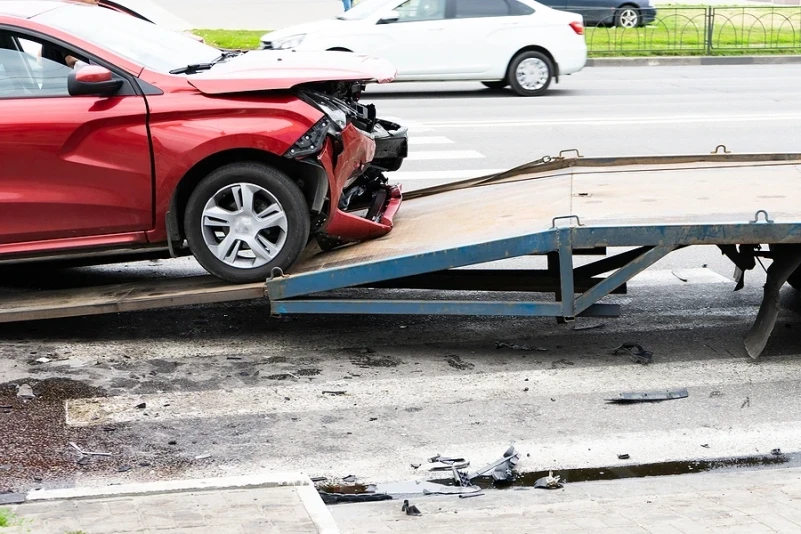
How Miami’s Congested Traffic Increases Car Accident Risks
Miami is known for its vibrant culture, beaches, and nightlife, but it is also infamous for its traffic congestion. The city’s roads are often packed, and rush hours can turn even short trips into long, stressful commutes. While heavy traffic may seem like a simple inconvenience, it can have serious consequences for drivers, passengers, and pedestrians alike. Understanding how congestion contributes to car accidents is crucial for anyone navigating Miami streets.
Traffic Density and Collision Risk
One of the most straightforward ways congestion increases accidents is by raising the number of vehicles in a confined space. With more cars on the road, there is a higher chance of collisions. Drivers are forced into close proximity, often with limited room to maneuver. This environment leaves little margin for error. Even minor distractions or misjudgments can quickly lead to rear-end collisions, side-swipes, or multi-car pileups.
Stop-and-Go Driving
Miami’s traffic is rarely smooth. Stop-and-go patterns are common, particularly during morning and evening rush hours. This constant change in speed requires drivers to pay close attention and react quickly. However, fatigue, impatience, or distractions can slow reaction times. Stop-and-go traffic is also hard on vehicles, as frequent braking and acceleration increase the risk of mechanical failures or tire issues that can contribute to accidents.
Aggressive Driving Behaviors
Heavy traffic often triggers aggressive driving behaviors. Drivers may switch lanes frequently to gain a small advantage or tailgate vehicles in an attempt to pressure slower drivers. Aggressive maneuvers are dangerous and can escalate minor incidents into serious accidents. In Miami, weaving between lanes and last-minute merging are common causes of collisions on major highways like I-95, the Dolphin Expressway, and US-1.
Distracted Driving in Congestion
Distracted driving is a problem in any traffic scenario, but congested conditions make it even more dangerous. Drivers may use their phones, adjust navigation systems, or engage in conversations while attempting to keep pace with traffic. The constant stop-and-go movement requires attention at all times. A momentary lapse can result in rear-end collisions or sideswipes, especially when traffic suddenly comes to a halt.
Increased Pedestrian and Cyclist Risks
Miami’s streets are not only crowded with cars. Pedestrians and cyclists share busy roads, particularly in downtown areas, Brickell, and Wynwood. Congestion increases the risk of accidents involving these vulnerable road users. Drivers may focus on navigating traffic and fail to notice pedestrians stepping off the curb or cyclists moving through intersections. Collisions with pedestrians or cyclists can result in severe injuries or fatalities due to their lack of protection compared to vehicles.
Weather Conditions Amplify the Danger
Miami’s traffic risks are compounded by frequent rainstorms and sudden weather changes. Wet roads reduce tire traction, increase stopping distances, and make it harder to control a vehicle. In congested conditions, sudden braking on slick roads can cause chain-reaction collisions. Drivers may also struggle with visibility during heavy rain, further increasing the likelihood of accidents in already packed traffic.
Intersection Hazards
Intersections are common sites for car accidents, and congestion magnifies these dangers. Drivers impatient with delays may run red lights or make risky turns. Others may misjudge gaps in traffic when entering or crossing intersections. In Miami, intersections near shopping centers, schools, and major highways are particularly hazardous. Accidents in these areas often involve multiple vehicles and can result in serious injuries.
Highway and Freeway Bottlenecks
Miami’s highways, such as I-95 and the Palmetto Expressway, experience significant bottlenecks during rush hours. Highways designed for fast-moving traffic become dangerous when slowed to stop-and-go speeds. Lane changes at these bottlenecks can lead to sideswipes or rear-end collisions. In addition, merging onto congested highways is risky, as drivers may struggle to find safe gaps in fast-moving or unpredictable traffic.
The Human Factor
Stress and frustration from heavy traffic can affect driver judgment. Long commutes and frequent delays often lead to road rage or distracted decision-making. Frustrated drivers may take unnecessary risks, such as tailgating, speeding between congested lanes, or ignoring traffic rules. These human factors combine with dense traffic to create an environment where accidents are more likely.
Preparing for Safer Driving in Miami
While traffic congestion cannot be eliminated entirely, drivers can take steps to reduce risk. Staying alert and avoiding distractions are critical. Maintaining a safe following distance and anticipating sudden stops can prevent rear-end collisions. Using traffic apps or GPS to find alternative routes may help avoid the most congested areas. Defensive driving practices, including patience and awareness of other road users, are essential in Miami’s crowded streets.
Seeking Legal Help After an Accident
Even with careful driving, accidents can still happen in Miami’s congested traffic. If you are injured in a collision, understanding your legal options is important. Personal injury lawyers can help victims navigate insurance claims, identify liable parties, and secure compensation for medical expenses, lost wages, and pain and suffering. Legal assistance can be particularly valuable when accidents involve multiple vehicles, pedestrians, or commercial drivers.
Conclusion
Miami’s heavy traffic is more than a daily nuisance. It directly contributes to a higher risk of car accidents due to congestion, aggressive driving, distractions, and environmental factors like weather. Drivers, pedestrians, and cyclists all face increased dangers on crowded streets. Taking precautions and practicing defensive driving can reduce risks, but accidents may still occur. In those situations, professional legal support can make a significant difference in recovering from the incident and ensuring accountability.