

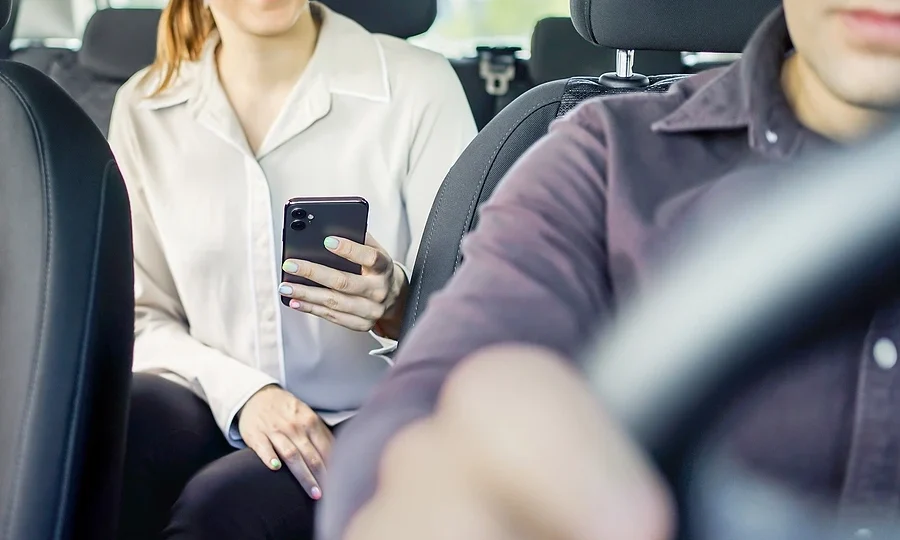
Understanding Liability in Miami Rideshare Accidents with Uber and Lyft
Rideshare services like Uber and Lyft have become a common way to get around Miami. They are convenient, often cheaper than taxis, and offer the flexibility of requesting a ride from your phone. While these services generally operate smoothly, accidents can and do happen. When a crash involves a rideshare vehicle, determining who is legally responsible can be complicated. Unlike traditional car accidents, rideshare accidents involve multiple parties, including the driver, the rideshare company, and sometimes even other passengers.
Understanding liability is crucial if you are injured in a rideshare accident. The rules governing responsibility depend on the circumstances of the crash and whether the driver was actively transporting a passenger or simply waiting for a ride request.
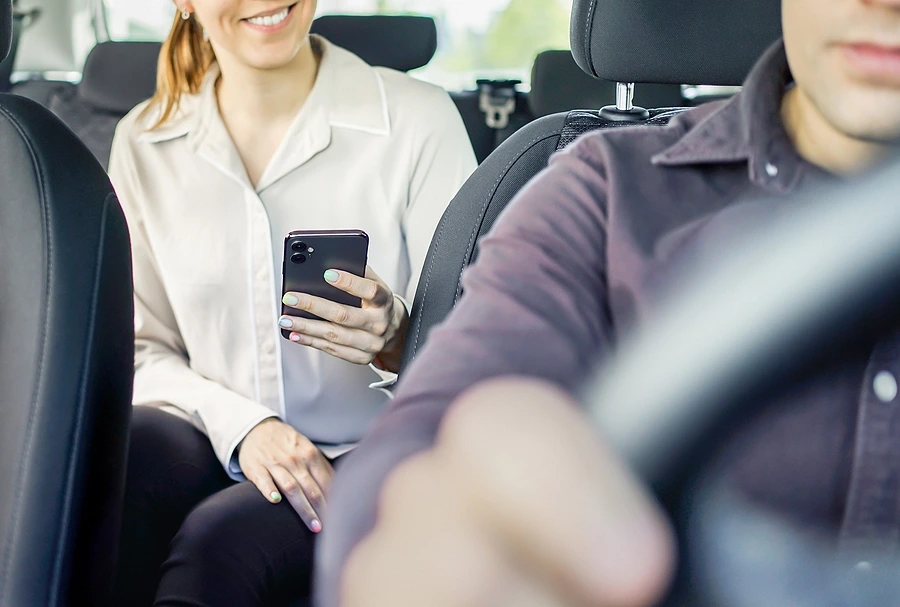
How Rideshare Insurance Works in Miami
One of the key differences between rideshare drivers and traditional drivers is insurance coverage. In Miami, like the rest of Florida, rideshare companies maintain commercial insurance policies to cover drivers during specific periods. These insurance policies usually depend on whether the driver is logged into the app, waiting for a ride request, en route to pick up a passenger, or carrying a passenger.
Driver off-duty or not logged in
If the rideshare driver is not logged into the app, their personal auto insurance policy usually applies. Standard personal policies may not cover accidents that occur while driving for a rideshare service. This can make recovering damages more challenging, as the injured party might have to pursue the driver’s personal policy, which could have coverage limits.
Driver waiting for a ride request
When the driver is logged into the app but has not yet accepted a ride, Uber and Lyft typically provide limited liability coverage. In Florida, this coverage usually includes up to $50,000 per person for bodily injury, $100,000 per accident, and $25,000 for property damage. However, this coverage may not extend to all types of damages, so legal guidance is often needed.
Driver en route to pick up or transporting a passenger
Once the driver has accepted a ride request, the rideshare company’s commercial insurance policy usually offers higher coverage. This can include up to $1 million in liability insurance for injuries or property damage caused by the driver, as well as uninsured or underinsured motorist coverage in some cases.
Determining Liability in a Rideshare Accident
Liability in a rideshare accident can involve multiple parties. The specific circumstances of the crash usually dictate who is responsible. Some common scenarios include:
- The rideshare driver caused the accident
If the driver was negligent—such as running a red light, texting while driving, or speeding—they may be held liable. The rideshare company could also share responsibility depending on whether it failed to properly screen the driver or ignored complaints about their driving. - Another driver caused the accident
If a third-party driver hit the rideshare vehicle, that driver is typically liable. In this case, your claim may be filed against the other driver’s insurance, the rideshare company’s insurance, or a combination of both, depending on the situation. - Road conditions or vehicle defects contributed
In some cases, accidents happen because of poor road maintenance, faulty traffic signals, or a mechanical problem in the vehicle. Liability may extend to local authorities or the manufacturer, depending on the evidence. - Passenger injuries inside the vehicle
Passengers in a rideshare vehicle have unique rights. If an accident occurs while the driver is transporting a passenger, the rideshare company’s insurance usually provides coverage. However, passengers are expected to wear seat belts, and failure to do so can affect the compensation they receive.
Steps to Take After a Rideshare Accident in Miami
If you are involved in a rideshare accident in Miami, there are several steps you should take to protect your legal rights:
- Seek medical attention immediately
Even if injuries seem minor, a medical evaluation is critical. Some injuries, such as whiplash or internal trauma, may not be immediately apparent. Medical records also provide essential evidence if you pursue a personal injury claim. - Document the accident
Take photos of the scene, including vehicle damage, skid marks, traffic signals, and any visible injuries. Gather contact information from the driver, passengers, and witnesses. Request a copy of the police report if law enforcement responds. - Notify the rideshare company
Report the accident to Uber or Lyft as soon as possible. Both companies have accident reporting procedures, and failing to report promptly can impact your ability to claim compensation. - Consult with an experienced personal injury attorney
Rideshare accidents often involve complex insurance and liability issues. An attorney can help determine who is responsible, guide you through the claims process, and negotiate with insurance companies to ensure fair compensation. - Preserve evidence
Keep medical bills, repair estimates, and communication with insurance companies. This evidence is critical for supporting your claim.
Challenges in Rideshare Accident Claims
Rideshare accident cases can be more complicated than standard car accidents. Insurance companies often try to limit liability or blame other parties. Common challenges include:
- Multiple insurance policies
Figuring out which insurance policy applies can be difficult. Personal policies, rideshare company policies, and third-party policies may all be involved. - Determining the driver’s status
Insurance coverage depends on whether the driver was on a ride request, en route to pick up a passenger, or logged off. Each status affects the level of coverage. - Comparative negligence
Florida uses a comparative fault system, meaning compensation may be reduced if you share some responsibility for the accident. Establishing fault clearly is essential for maximizing your claim. - Delays in claims processing
Insurance companies may take time to investigate and verify liability, which can slow down compensation. Legal representation helps ensure timely communication and documentation.
The Importance of Legal Guidance
Navigating a rideshare accident claim in Miami can be overwhelming. An experienced personal injury attorney can simplify the process, advocate for your rights, and help you receive compensation for medical expenses, lost wages, pain and suffering, and property damage. Legal experts are familiar with rideshare policies, Florida traffic laws, and the strategies insurance companies use to minimize payouts.
An attorney can also help determine whether the rideshare company, the driver, or another party is liable. In some cases, filing a claim against multiple parties may be necessary to ensure full compensation.
Conclusion
Rideshare accidents in Miami involve unique legal and insurance considerations. Determining liability can be complicated, and the stakes are often high. Seeking prompt medical attention, documenting the accident, notifying the rideshare company, and consulting an experienced attorney are all critical steps.
Understanding how liability works and who may be responsible ensures that injured passengers or drivers are not left bearing the financial and physical consequences of an accident alone. Legal guidance can make the difference between receiving fair compensation and facing unexpected expenses and long-term recovery challenges.
Being informed and prepared is the first step in protecting your rights after a Miami rideshare accident.