

Addressing Negligence in Miami Premises Liability Accidents
Premises liability accidents happen when someone is injured on another person’s property because of unsafe conditions. In Miami, these accidents are a common cause of personal injury claims. Property owners and managers have a legal duty to maintain safe environments. When they fail to meet this duty, injured individuals may pursue compensation for their losses. Understanding how negligence works in premises liability cases can help victims protect their rights.

What Premises Liability Means in Miami
Premises liability refers to the legal responsibility property owners have for accidents that occur on their property. This includes homes, businesses, and public spaces.
The law requires owners to address hazards that could reasonably cause harm. These hazards can be physical, like broken stairs or wet floors, or environmental, such as poor lighting or unsafe landscaping.
Not all injuries on someone else’s property are grounds for a claim. For a successful premises liability case, the injured person must show that the property owner knew or should have known about the dangerous condition and did not take steps to fix it. This standard of care is central to proving negligence.
Common Causes of Premises Liability Accidents in Miami
Several types of accidents frequently lead to premises liability claims in Miami.
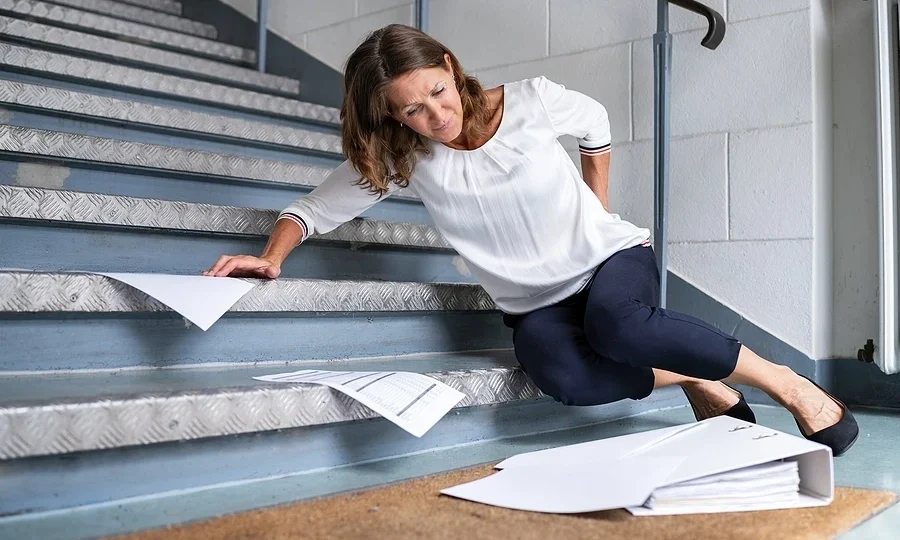
- Slip and fall incidents: Wet floors in stores, uneven sidewalks, and poorly maintained staircases can lead to serious injuries.
- Trip and fall accidents: Cords, debris, or uneven pavement can create hidden hazards.
- Inadequate security: Poor lighting or broken locks can make visitors vulnerable to assaults.
- Swimming pool accidents: Pool owners must maintain fences, gates, and alarms to prevent injuries.
- Construction and maintenance hazards: Exposed wiring, falling debris, and unsecured equipment can be dangerous for visitors and workers alike.
In Miami, where construction and real estate development are active, these risks are particularly significant.
Understanding Negligence in These Cases
Negligence is the foundation of most premises liability claims. To prove negligence, three elements must be established:
- Duty of care – Property owners owe a duty to maintain safe conditions for anyone legally on their property. This duty varies depending on the visitor. Invitees, like customers in a store, are owed the highest level of care. Licensees, like social guests, are owed reasonable safety. Trespassers have limited protections, but cannot be intentionally harmed.
- Breach of duty – This occurs when the property owner fails to maintain safe conditions. Evidence may include photos, maintenance records, or witness statements.
- Resulting injury – The injury must be directly linked to the unsafe condition. Medical documentation, bills, and diagnostic tests help demonstrate the connection.
Steps to Take After a Premises Liability Accident
If you are injured on someone else’s property, taking immediate action is critical.
- Seek medical attention – Even minor injuries can worsen without proper care. Keep detailed records of treatment and expenses.
- Document the scene – Take photos of hazards, signage, and surrounding conditions. Gather witness information.
- Report the incident – Notify the property owner or manager. Keep copies of reports or correspondence.
- Consult a personal injury attorney – Experienced lawyers can evaluate your case and guide you through legal options.
The Role of Comparative Negligence in Florida
Florida uses a comparative negligence system. If you were partially responsible for your injury, your compensation may be reduced proportionally.
For example, if you slipped while wearing inappropriate footwear on a wet floor, your damages could be adjusted based on your contribution. A skilled attorney can assess liability and help you understand how Florida’s laws impact your claim.
Potential Compensation for Injuries
Compensation in premises liability cases can cover:
- Medical expenses – Hospital bills, surgeries, rehabilitation, and ongoing care.
- Lost wages – If injuries affect your ability to work.
- Pain and suffering – Emotional distress and loss of enjoyment of life.
- Punitive damages – In cases of especially reckless behavior by the property owner.
Preventing Premises Liability Accidents
Prevention is always preferable. Property owners can reduce risks by:
- Conducting regular inspections
- Addressing hazards promptly
- Maintaining records of repairs
- Installing proper signage and lighting
- Securing pathways and stairways
Visitors can also protect themselves by staying aware of surroundings and using caution, such as using handrails and avoiding poorly lit areas.
Conclusion
Premises liability accidents in Miami can cause serious injuries and financial strain. Property owners are legally required to maintain safe conditions, and failure to do so may make them liable for negligence.
Understanding the elements of these cases, documenting evidence, and consulting an attorney are crucial steps for anyone injured on another person’s property. By knowing your rights and the responsibilities of property owners, you can take necessary action to protect yourself and seek fair compensation.