

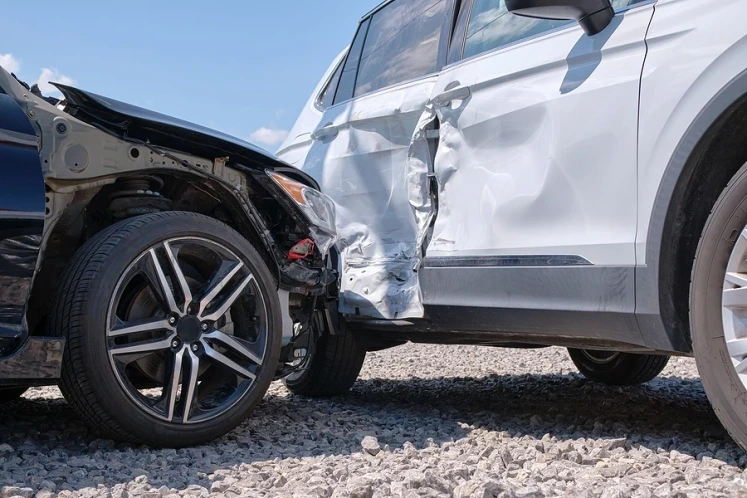
Complexities in Multi-Vehicle Collisions in Miami Injury Cases
Multi-vehicle accidents are some of the most complicated cases in personal injury law. Unlike simple two-car crashes, these collisions involve several drivers, passengers, and often multiple insurance companies. For anyone injured in a Miami accident involving three or more vehicles, understanding the legal and practical challenges is essential to protecting their rights and pursuing fair compensation.
Why Multi-Vehicle Accidents Are Complicated
Multi-vehicle accidents create unique challenges because liability is not always clear. In a two-car collision, determining who is at fault is usually straightforward. When three or more vehicles are involved, fault can be shared among several drivers. For example, one driver may rear-end another, causing a chain reaction that damages multiple vehicles. Each driver may argue that the others contributed to the accident, making it harder to assign responsibility.
Additionally, witnesses may give conflicting statements, and the physical evidence on the scene can be difficult to interpret. Tire marks, vehicle positions, and debris patterns may not tell the full story. In some cases, traffic cameras or surveillance footage may help, but they are not always available. This complexity makes accurate documentation and timely reporting crucial for anyone involved in a multi-vehicle collision.
Common Causes of Multi-Vehicle Accidents in Miami
Several factors often contribute to multi-vehicle crashes in Miami. Distracted driving remains a leading cause. Drivers using smartphones, GPS devices, or other distractions may fail to notice sudden braking or slowdowns in traffic. Aggressive driving, such as tailgating and frequent lane changes, also increases the risk of chain-reaction accidents.
Weather conditions can play a significant role as well. Miami experiences heavy rainfall that can reduce visibility and create slick roads. When one driver loses control in these conditions, it can trigger collisions involving multiple vehicles. Construction zones, poorly marked lanes, and confusing intersections are additional factors that frequently appear in these types of accidents.
Injuries in Multi-Vehicle Accidents
Injuries in multi-vehicle accidents can range from minor cuts and bruises to life-altering conditions. Rear-end collisions often cause whiplash, while side impacts can result in broken bones or head injuries. When multiple vehicles collide, the risk of severe injuries increases because of the forces involved. Passengers in the middle of a chain-reaction accident may experience sudden and repeated impacts, which can worsen existing injuries.
Even minor injuries should not be overlooked. Soft tissue injuries may not show immediate symptoms but can lead to long-term complications if untreated. Seeking medical attention as soon as possible is essential not only for health reasons but also to document injuries for any potential legal claim.
Liability and Insurance Challenges
Determining liability in multi-vehicle accidents often requires careful analysis of police reports, eyewitness accounts, and accident reconstruction. Insurance companies may try to minimize their payout by assigning partial fault to the injured party or shifting blame among the drivers.
Florida follows a comparative negligence system, which means an injured person can still recover compensation even if they are partially at fault. However, the amount awarded may be reduced based on the percentage of fault assigned to each party. For example, if you are deemed 20% responsible for a crash, your compensation could be reduced by that percentage. This makes having an experienced personal injury attorney essential to ensure your rights are protected.
Insurance coverage can also become complicated. Each driver may have different types and limits of insurance. In some cases, multiple insurance companies are involved, and they may dispute who is responsible for paying damages. Understanding your policy, as well as the other drivers’ policies, is critical for maximizing recovery.
The Role of Accident Reconstruction
Accident reconstruction can play a vital role in multi-vehicle collision cases. Reconstruction specialists analyze physical evidence, vehicle damage, and skid marks to determine how the accident occurred. This process can clarify who caused the crash, the sequence of events, and the severity of the impact. In complex cases, expert testimony can be decisive in negotiations with insurance companies or in court.
Reconstruction is especially useful when witnesses provide conflicting accounts or when insurance companies attempt to assign blame incorrectly. It adds credibility to your case and helps ensure that responsible parties are held accountable.
Steps to Take After a Multi-Vehicle Accident
Knowing what to do immediately after a multi-vehicle accident can significantly affect the outcome of your claim. First, ensure everyone’s safety. Move to a safe location if possible and call emergency services. Seek medical attention, even if injuries seem minor.
Document the scene thoroughly. Take photos of all vehicles involved, license plates, and visible damage. Record the location of debris, tire marks, and traffic signals. Collect contact information from other drivers and witnesses. Avoid admitting fault or making statements that could be misinterpreted by insurance companies.
Notify your insurance company promptly but be cautious in your statements. Provide the facts of the accident without speculating about who caused it. Consult a personal injury attorney before giving detailed statements to other parties’ insurers.
Why Legal Representation Matters
Multi-vehicle accident cases can be overwhelming without legal guidance. An experienced attorney can investigate the crash, gather evidence, and communicate with insurance companies on your behalf. They can also negotiate settlements that reflect the full extent of your damages, including medical expenses, lost wages, and pain and suffering.
If the case goes to court, an attorney can represent your interests, challenge evidence that unfairly minimizes your claim, and present expert testimony, such as accident reconstruction. Having professional support ensures that your case is handled thoroughly and increases the likelihood of a fair outcome.
Conclusion
Multi-vehicle accidents in Miami present unique challenges for anyone seeking personal injury compensation. Liability is often shared, insurance disputes are common, and injuries can be severe and complex. Understanding the risks, documenting the accident properly, and seeking professional legal advice are critical steps for protecting your rights.
If you or a loved one has been injured in a multi-vehicle collision, taking immediate action can make a significant difference. From seeking medical care to consulting a personal injury attorney, every step matters in navigating the complex process of recovery and legal resolution.