

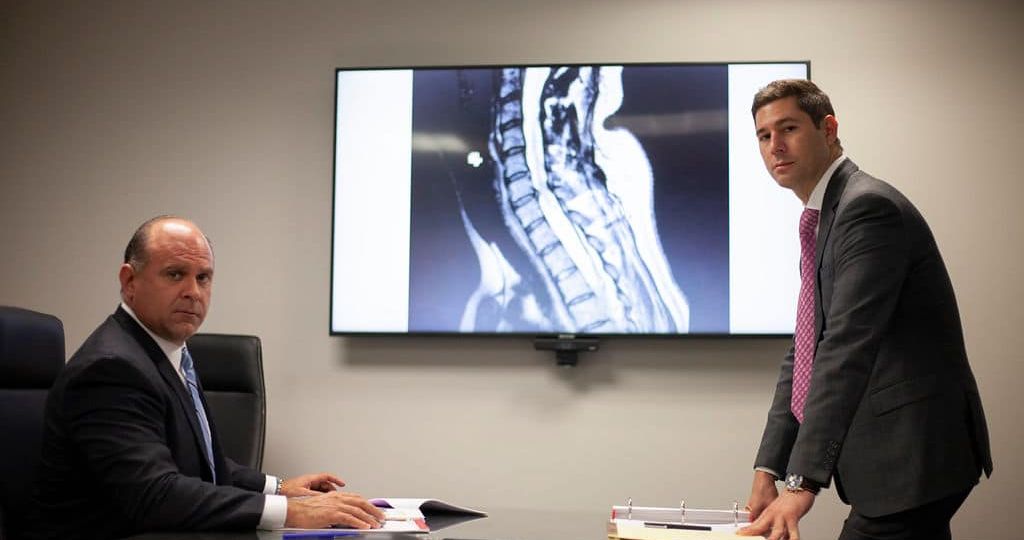
Effective Ways to Record Your Injuries for a Personal Injury Claim
There are two key ways to document physical injuries after an accident: photographing your injuries and seeking medical treatment. Both are essential. Photographs provide concrete evidence and can often make the difference between a fair, timely settlement and a prolonged court battle. For instance, if your claim involves a closed head traumatic brain injury from a car accident, images showing bruising or other trauma can significantly support your case. Without such evidence, insurance companies or defense attorneys may argue that no injury occurred, that your condition is exaggerated, or that your symptoms are due to a preexisting condition or normal aging.
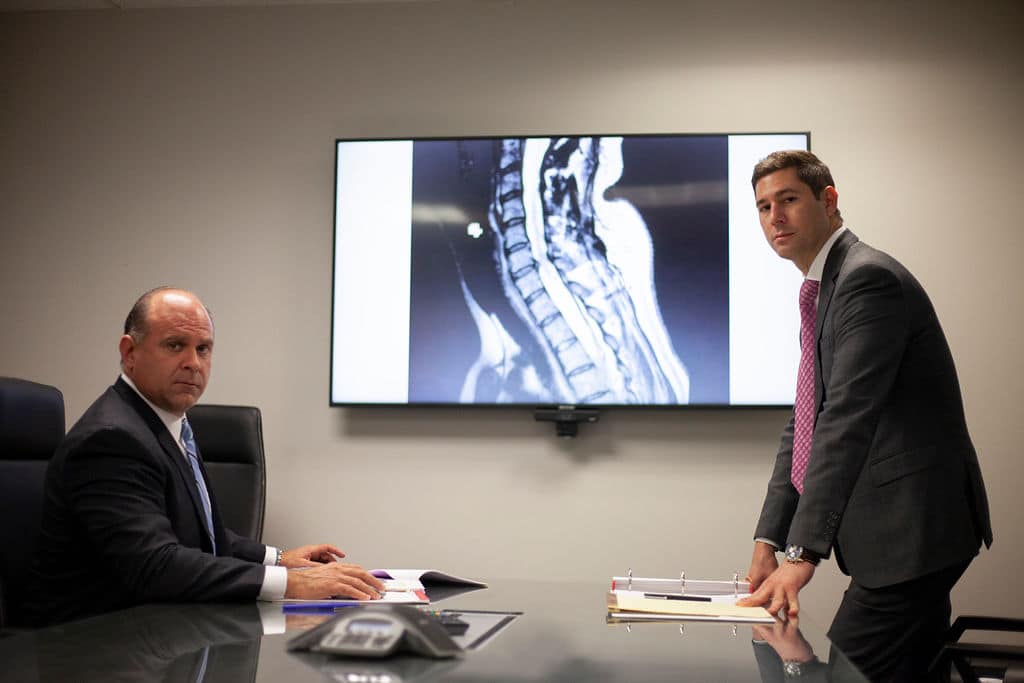
Equally important is prompt medical care. Delaying treatment can lead defendants to claim that your injuries were not serious or that your decision to seek care was motivated by the potential for a personal injury claim. While it is understandable that some people may want to “wait and see” how they feel, lack of medical documentation can seriously weaken your case. Your medical records are often the most critical evidence in proving the extent and legitimacy of your injuries.