


Legal Recourse After Boating Accidents on Miami Waterways
Miami’s waterways are a major part of daily life. Residents and visitors spend time on the ocean, inlets, and bays year-round, often without thinking about how quickly a day on the water can turn dangerous. Boat collisions, personal watercraft incidents, and tour boat mishaps occur more often than many people realize. When negligence plays a role, injured victims may face a long path toward physical recovery and financial stability.
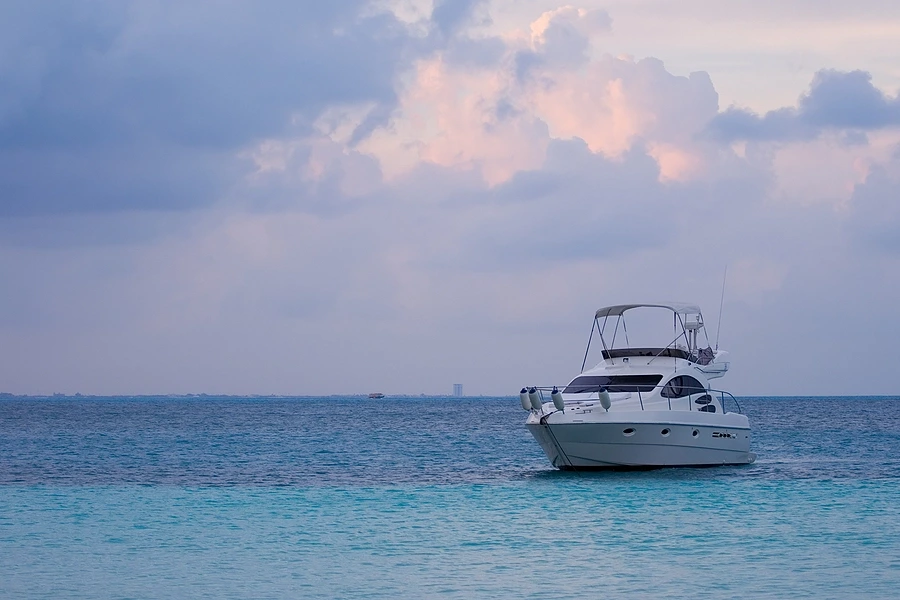
Understanding your legal recourse after a boating accident on Miami waters can make a significant difference. The process is not always straightforward, and many victims are unsure of their options. A clear picture of how liability works, what evidence matters, and how an attorney can help give injured individuals a stronger foundation as they move forward.
How Boating Accidents Happen on Miami Waters
Miami offers a wide range of boating experiences. Some people launch personal vessels from local marinas. Others rent jet skis, join fishing charters, or book private tours. With so many vessels operating in the same environment, mistakes and rule violations can quickly become hazardous.
Many boating accidents involve operator inattention. Distractions are common on the water. A driver may be talking to passengers, adjusting equipment, or navigating unfamiliar channels. Even a momentary lapse can cause a crash.
Speeding is another frequent factor. High speeds reduce reaction time, making it difficult to avoid other boats, swimmers, or fixed objects. Jet skis and smaller craft are especially vulnerable when operators ignore posted speed limits or engage in risky maneuvers.
Impaired boating is also a major concern. Alcohol and drug use affect judgment and coordination. Florida’s boating under the influence laws exist to protect everyone on the water, yet violations continue to cause preventable injuries.
Mechanical failures, overcrowded vessels, and violations of navigational rules all contribute to accidents as well. Some incidents occur because businesses fail to maintain rental equipment or train their staff properly. Others happen because tour operators pack too many passengers onboard, creating unsafe conditions.
Each accident has its own set of facts, and understanding the cause is the first step toward determining legal responsibility.
Why Liability Matters for Injured Victims
Liability is at the center of any boating injury claim. To recover compensation, an injured person must show that another party acted negligently. This means the responsible individual or company failed to operate a vessel safely or violated a legal duty.
Liability may fall on several people or businesses depending on the situation. Common examples include:
- Boat operators who make unsafe decisions
- Rental companies that provide faulty equipment
- Tour operators who ignore safety standards
- Manufacturers of defective parts
- Crew members who fail to respond to emergencies correctly
In some cases, more than one party shares responsibility. Miami’s waterways can be chaotic, and accidents often involve multiple vessels. Determining each party’s role helps ensure that victims pursue all potential sources of compensation.
Florida follows a comparative negligence system. Under this rule, an injured person’s recovery may be reduced if they are found partly at fault. For example, if a victim was not wearing available safety gear or ignored posted warnings, the insurance company may attempt to shift blame. Understanding this possibility helps victims prepare strong claims to counter these tactics.
Evidence that Strengthens a Boating Injury Case
Evidence is a vital part of any personal injury claim, and boating cases rely heavily on documentation. Unlike car accidents, where police reports and scene photos are usually straightforward to gather, boating incidents pose unique challenges. The water can quickly destroy or carry away evidence. Vessels may drift, sink, or be moved before investigators arrive.
Because of these challenges, collecting evidence as soon as possible becomes essential. Important forms of evidence include:
Photographs and videos
Pictures of vessel damage, injuries, weather conditions, channel markers, and wake patterns help establish what happened.
Witness statements
Passengers, nearby boaters, and bystanders may have valuable information. Their accounts help fill in details you may not remember.
Vessel registration and rental documents
These records show who owned or operated the boat and whether proper procedures were followed.
Medical records
Detailed medical documentation confirms the nature of the injuries and connects them to the accident.
Operator information
This includes boating licenses, safety certifications, and any history of prior incidents.
Maintenance and inspection records
These documents are critical when equipment malfunction contributes to a crash.
A personal injury attorney can assist with gathering this information before it becomes inaccessible.
How Insurance Works After a Boating Accident
Insurance coverage for boating accidents is not always as simple as auto insurance. Policies vary widely between individuals, businesses, and rental companies. Some boat owners carry strong liability policies while others have minimal protection.
When a rental company or tour operator is involved, their commercial policy may offer greater coverage. However, these companies often try to limit their responsibility by pointing to waivers or contractual language. Many waivers are not enforceable if negligence occurs, but companies still rely on them to discourage victims from filing claims.
Insurance companies often attempt to minimize payouts by arguing that the victim’s injuries are not severe or not directly related to the accident. They may also question whether the victim contributed to the incident. Understanding these tactics helps injured individuals avoid being pressured into accepting a low offer.
Common Injuries Seen in Miami Boating Accidents
Boating accidents can cause serious injuries due to the force of impact, exposure to water, and the lack of protection inside most vessels. Some of the most common injuries include:
- Broken bones
- Concussions and traumatic brain injuries
- Neck and back injuries
- Lacerations from propellers or metal surfaces
- Drowning injuries or near-drowning complications
- Soft tissue injuries
- Spinal cord trauma
Recovery can take weeks or months, and some injuries lead to long-term impairments. Medical bills, rehabilitation costs, and lost income can create significant hardships. Compensation helps reduce the financial pressure victims face.
What Compensation May Cover After a Boating Injury
Personal injury claims allow victims to recover financial and personal losses linked to the accident. Compensation may include:
- Medical expenses, including future treatment
- Lost wages and loss of earning capacity
- Property damage
- Pain and suffering
- Emotional trauma
- Rehabilitation costs
- Long-term disability or impairment
Every case is unique, and the amount of compensation depends on the severity of the injuries and the strength of the evidence. A thorough evaluation helps determine the full value of the claim.
Why Legal Representation is Important
Many people feel overwhelmed after a boating accident. They may not know where to begin or how to deal with insurance companies. Working with a personal injury attorney helps victims navigate the process with confidence.
An attorney can identify liable parties, gather evidence, interview witnesses, and negotiate with insurance providers. They also understand maritime and Florida boating laws, which can be complicated and unfamiliar to most boaters.
Legal representation ensures that victims do not face the aftermath alone. It also increases the likelihood of securing compensation that reflects the true extent of the injuries and losses.
Conclusion
Being injured on the water can change your life in an instant. The challenges that follow can feel overwhelming. Understanding your legal options gives you a path forward. While no amount of compensation can erase the trauma, it can provide the support needed to rebuild.
Injury victims have rights, and those rights deserve protection. If negligence caused the accident, legal action may help hold the responsible party accountable. Miami’s waterways may be unpredictable, but the steps you take after an injury can make a meaningful difference in your recovery.